
Many organisations work in a fast-paced environment where workplace risks could affect employee well-being and productivity, as well as operational efficiency. If there are no structured safety systems in place, every little hazard can lead to serious injury, costly delays, and lower worker morale.
Employee safety impacts business productivity significantly as well. When employees feel safe and secure, they are more concentrated, confident, and able to perform their responsibilities effectively. Having dependable safety management systems in place ensures that daily operations run smoothly and that unexpected interruptions do not occur.
The key components of effective safety systems include occupational health and safety training. Training empowers employees to follow safety procedures consistently across all departments, which improves overall workplace performance.
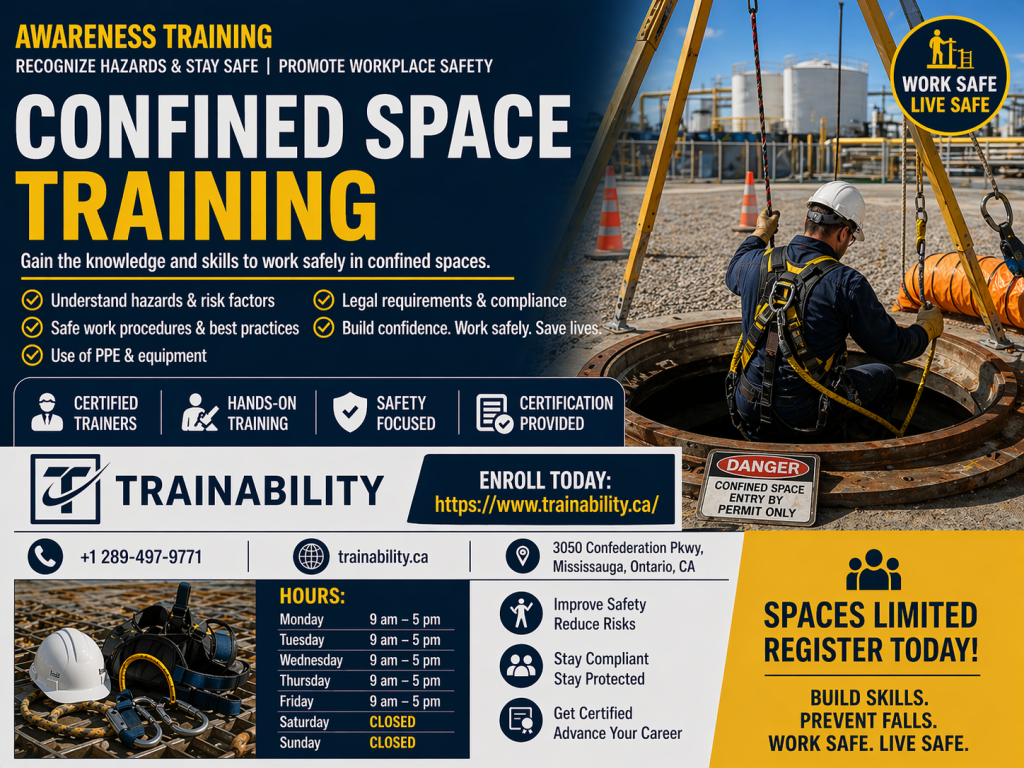
Enhances Employee Productivity with Occupational health and safety management
Occupational health and safety management is designed to provide employees with an environment that allows them to concentrate on their job without the concern of an accident or injury.
- Safe Work Environment Increases Employee Confidence
When safety measures are clearly defined and followed, workers are less distracted by potential hazards. This confidence leads to a higher level of productivity and encourages improved performance.
- Reduction in Injuries Leads to Consistent Workflow
A business can minimise accidents, maintaining production flow and continuity through structured occupational health and safety management practices.
Reduces Workplace Accidents and Costs
One major advantage of having an occupational health & safety management system is the reduction of work-related injuries and their costs.
- Minimizes Medical Expenses and Compensation Claims
By implementing safety procedures and utilising occupational health & safety management training, organisations can prevent workplace accidents. This helps in reducing the overall costs incurred by the employer and improving their budget.
- Prevents Operational Downtime
A safety management system helps in identifying workplace hazards before they become problematic. Reducing downtime is essential for maintaining uninterrupted business operations.
Ensures Legal Compliance
Legal compliance is a significant motivator for companies to adopt occupational health and safety management systems, as regulation compliance protects employees and organisations.
- Meets Safety Regulations and Standards
All organisations must comply with safety laws and industry standards. By implementing a structured system for managing safety, an organisation can ensure that it follows all required safety policies and procedures. This reduces the risk of non-compliance and ensures a safe working environment.
- Avoids Penalties and Legal Issues
Failing to ensure compliance with safety regulations and laws can result in penalties, lawsuits, and damage to reputation. By having a solid safety management system, a business can minimise the risk of these events and protect itself from costly outcomes.
- Strengthens Company Reputation Through Compliance
Compliance with safety standards demonstrates responsibility and professionalism. A company recognised for outstanding compliance with safety regulations earns the trust of its employees, customers, and stakeholders.
Improves Employee Morale and Retention
A strong correlation exists between employee satisfaction and workplace safety. The implementation of safety management creates a safe and supportive workspace for employees, which in turn generates long-term employee engagement.
- Builds a Culture of Trust and Safety
When employees see that their safety is a priority, they develop trust in their organisation. A positive safety culture fosters teamwork and encourages open communication about hazards and improvements.
- Increases Job Satisfaction
Safe work environments tend to improve comfort and confidence in employees. Employees who feel safe in their job are likely to enjoy their roles and perform efficiently.
- Reduces Employee Turnover Rates
A high turnover rate negatively impacts productivity and reduces hiring costs for employers. By providing a safe working environment through occupational health and safety training, businesses can hold onto skilled employees while minimising their hiring costs.
Strengthens Organizational Reputation
Reputation is extremely valuable in a competitive marketplace. Employers who prioritise good safety practices earn credibility and trust with their stakeholders.
- Positions Company as a Responsible Employer
Investing in developing a safety programme for employees strengthens relationships with stakeholders and fosters trust over time.
- Attracts Skilled Workforce
Occupational health and safety certification provides an avenue for attracting talent by creating a positive workplace culture for those seeking secure employment.
- Enhances Brand Credibility
A safe working environment acts as a strategic asset that strengthens brand reputation and drives long-term brand equity.
Role of Occupational Health and Safety Training
Occupational health and safety training is essential to developing an effective safety management system. It provide the organisation with the knowledge necessary to implement safety policies correctly.
- Educates Employees on Hazard Identification
Employees learn to identify hazards within their workplace. The earlier your employees identify hazards, the less likely they are to cause an accident.
- Promotes Safe Work Practices
In order for employees to have safe work practices, they must be trained how to do it. This includes proper equipment usage, safe handling techniques, and adherence to workplace guidelines.
- Ensures Continuous Skill Development
As new technology, laws, or regulations come into existence, safety-related topics change. Employees should continue to receive regular safety training so that they are aware of any changes or developments in their industry.
Conclusion
An effective occupational health and safety management system strengthens the overall performance of your organisation and minimises the risk of injury or harm by creating a safe, productive environment, meeting legal compliance, boosting productivity, and enhancing employee well-being.
When occupational health and safety training is included in daily operations, it increases safety awareness and enforces consistent compliance with standards. Businesses that invest in safety systems can reduce their costs and improve employee morale while enhancing the company’s reputation. A good safety management system supports the sustainable growth and long-term success of the organisation.

