
Personal track safety training designed to protect employees who will be working in close proximity to active rail lines and rail infrastructure. Working in a railway environment poses severe risks such as moving trains, high voltage electrical systems, and heavy machinery often compounded by limited workspace, which severely restricts safe movement. Proper personal track safety training provides the worker with an understanding of how to identify hazards, how to work in a safe manner, and how to respond appropriately in an emergency situation.
This training equips employees with the knowledge and skills needed to work safely in railway environments, minimise accident risks, and meet industry regulatory standards.
What Is Personal Track Safety Training
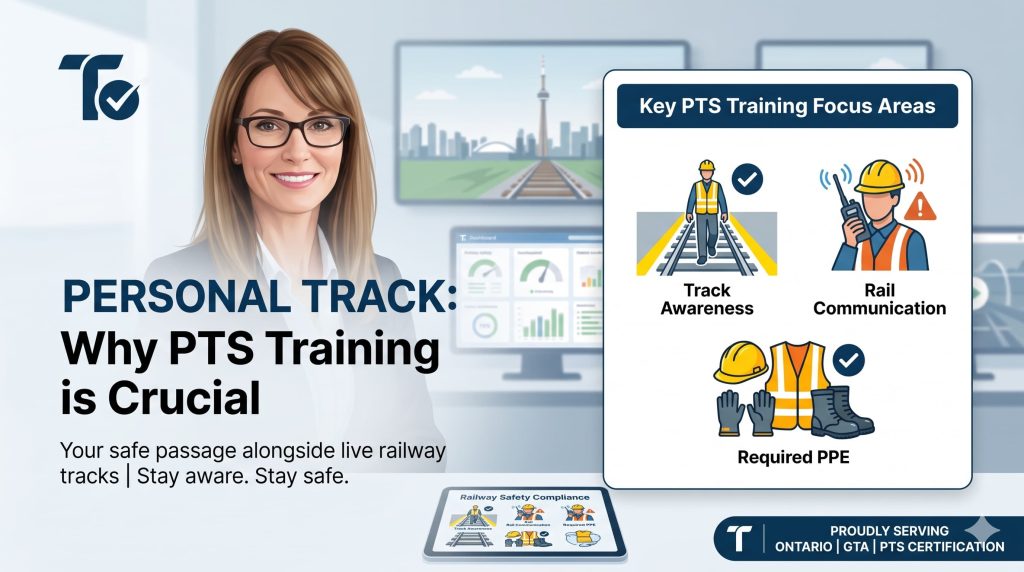
Personal Track Safety Training is a specialised course that provides railway industry employees with the knowledge they need to safely access and work along railway tracks. The main focus of the training is to provide participants with an understanding of the hazards associated, communication procedures, rules for accessing tracks, how to respond to emergencies, and how to correctly wear and use their personal protective equipment (PPE).
The Personal Track Safety Course assists employees in maintaining their alertness and following established safety standards in areas of high risk railways. Participants master theoretical concepts and practical safety procedures to minimise risks and prevent injuries at railway work sites. Successful completion of the course results in the issuance of a safety certification, demonstrating that the employee can work safely on or near railway operations.
Why Do Railway Workers Need Personal Track Safety Certification?
Railway worksites pose considerable risk for workers because of fast-moving trains, electrical hazards, uneven ground, and short time frames to react to a potentially dangerous situation. Personal track safety training helps workers learn how to work safely in hazardous conditions. Certification is important because it:
- Reduced accidents/injuries on the job site
- Increased awareness of railway safety hazards
- Compliance with safety regulations established by railway companies
- Knowledge of how to respond to different emergency situations
- Offering employers a way to provide safer work environments for employees
- Providing employees with greater access to employment opportunities
Railway companies and contractors require personnel to have a valid personal track safety certification prior to entering railway property or commencing work on maintenance projects.
What Topics Are Covered in a Personal Track Safety Training Course?
A professional personal track safety training course covers several key safety topics that prepare workers for railway environments.
How Are Railway Hazards Identified?
Hazard identification is an integral component of railway safety training. Workers are trained to identify hazards, including:
- Moving trains and railcars
- Electrified rail systems
- Slippery or uneven track surfaces
- Limited visibility areas
- Poor weather
- Construction and maintenance hazards
Furthermore, they also receive instruction on assessing risk prior to commencing work, as well as the reporting of unsafe working conditions immediately.
What Safety Equipment Is Used Near Rail Tracks?
Railroad workers require protective equipment to reduce the risk of injury. During personal track safety training, participants learn the proper way to wear, inspect and care for their safety equipment. Examples of safety equipment include:
- High-visibility clothing
- Safety helmets
- Protective footwear
- Hearing protection
- Safety gloves
- Eye protection
- Communication devices
As well as training in the use of railway warning systems, workers receive training on how to maintain safe distances from moving trains while working on the tracks.
How Do Workers Safely Access Railway Tracks?
Safe track access procedures are important in the railway environment. This course trains workers to safely access, navigate, and exit railway tracks in strict accordance with approved protocols.
Participants learn about:
- approved railway access point
- How to communicate with the rail controller
- Safe walking routes near the railway track.
- Lookout procedures
- Worksite protection system
- Restricted access area
Following these procedures assists in reducing the chances of unintentional contact with a train and railway equipment.
What Emergency Procedures Are Taught in PTS Training?
Personal track safety training places a strong emphasis on emergency preparedness. Employees learn to respond swiftly and safely to rail emergencies, such as accidents, equipment failures, or medical incidents.
The training covers:
- Emergency evacuation procedures
- Incident reporting protocols
- Communication during emergencies
- First response safety actions
- Rescue coordination procedures
Employees that understand emergency procedures are able to better protect themselves and others in an emergency situation.
Who Should Take Personal Track Safety Training?
Personal track safety training is recommended for anyone working on or near railway infrastructure. This includes professionals such as:
- Maintenance staff for railways
- Track inspectors
- Contractors for construction
- Signal technician
- Railway engineers
- Electrical workers for railways
- Infrastructure maintenance crews
- Supervisors for rail projects
Even temporary contractors and support staff may need certification before working in areas of active railway worksites.
How Can You Register for Personal Track Safety Training?
Most approved railway safety training organisations make it easy to register for personal track safety training. Many of the training facilities provide flexible schedules (such as weekdays, weekends and corporate groups).
Participants typically follow these steps to register:
- Choose an approved training provider
- Select an acceptable date for courses
- Complete a registration form
- Submit identification documents if required
- Attend both classroom and hands on training sessions
Some of these training providers may provide refresher training courses to employees who are renewing their expired certifications.
Before enrolling in any of these courses, you should verify that the course has met all safety requirements set by the railway industry and contains hands on practical training.
Conclusion
Personal track safety training is an essential programme that provides safety training to employees who regularly work on or near rail tracks and other infrastructure.
The purpose of personal track safety training is to provide the knowledge to identify hazards, follow safe working practices, use personal protective equipment (PPE) properly, and react appropriately in an emergency. When workers complete certified railway safety training, it increases their awareness of safety issues, while employers have a safer workplace with a lower risk of injury and increased regulatory compliance.
If you are beginning or renewing your railway career, you must take the proper personal track safety training to work safely and effectively in the railway industry.
Frequently Asked Questions
Yes, many railway organisations and contractors require employees to complete a track safety training programme before working on or near active tracks.
Professions such as railway maintenance employees, track assessors, contractors, engineers, signal technicians, and individuals working in rail infrastructure.
The amount of time required to complete training varies from course provider to certification level but many courses can be accomplished over a single day or multiple days.
Yes, personal track safety training courses offer practical instruction to assist you in adequately applying the appropriate railway safety procedures in real time situations.
While completing work near railway lines, you will wear highcvisibility clothing, a safety helmet, safety footwear, gloves, and either hearing or eye protection.
Yes, many training vendors provide customised group personal track safety training options for railway companies, as well as contractors and infrastructure teams.

